










Fiji’s Indian Heritage
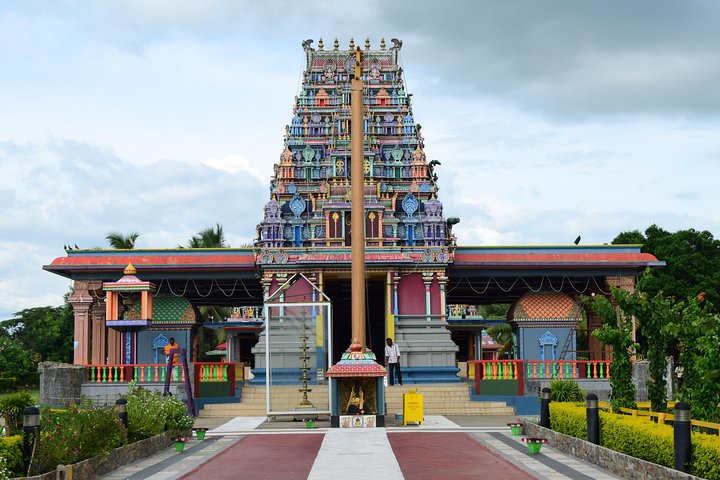
Approximately 37% of Fiji’s population is of Indian descent — descendants of indentured labourers brought from India between 1879 and 1916 to work the sugar cane plantations. This Indo-Fijian community has shaped the country’s culture, cuisine, politics, and religious landscape. Hindu temples (mandirs), mosques, and Sikh gurdwaras are visible across Viti Levu, and the Sri Siva Subramaniya Temple in Nadi — the largest Hindu temple in the Southern Hemisphere, a colourful Dravidian-style structure — is one of the most visually striking religious buildings in the Pacific.
A temple and Hindu heritage tour visits the Sri Siva Subramaniya Temple, local mandirs, and provides the historical context of Indian migration to Fiji — the indentured labour system, the community’s establishment, the religious traditions maintained across generations, and the dual Fijian-Indian cultural identity that makes Fiji unique in the Pacific.
Frequently Asked Questions
Can non-Hindus visit the temples?
Yes. Visitors are welcome at most Hindu temples in Fiji. Remove your shoes before entering, dress modestly (cover shoulders and knees), and behave respectfully. Photography policies vary — ask before photographing.
Where is the Sri Siva Subramaniya Temple?
In Nadi town centre — walkable from most Nadi accommodation and approximately 10 minutes from Nadi Airport. The temple is free to enter (a small donation is appreciated).
How long is a Hindu heritage tour?
Typically 2–3 hours covering the main temple, one or two local mandirs, and the guide’s narration of the Indo-Fijian community’s history and culture.